Pricing & estimates
Comparing Junk Removal Quotes in Fort Worth: Prices, Loads & Access
Written by Xavier K, Owner ·
Updated · XB Junk Solutions LLC
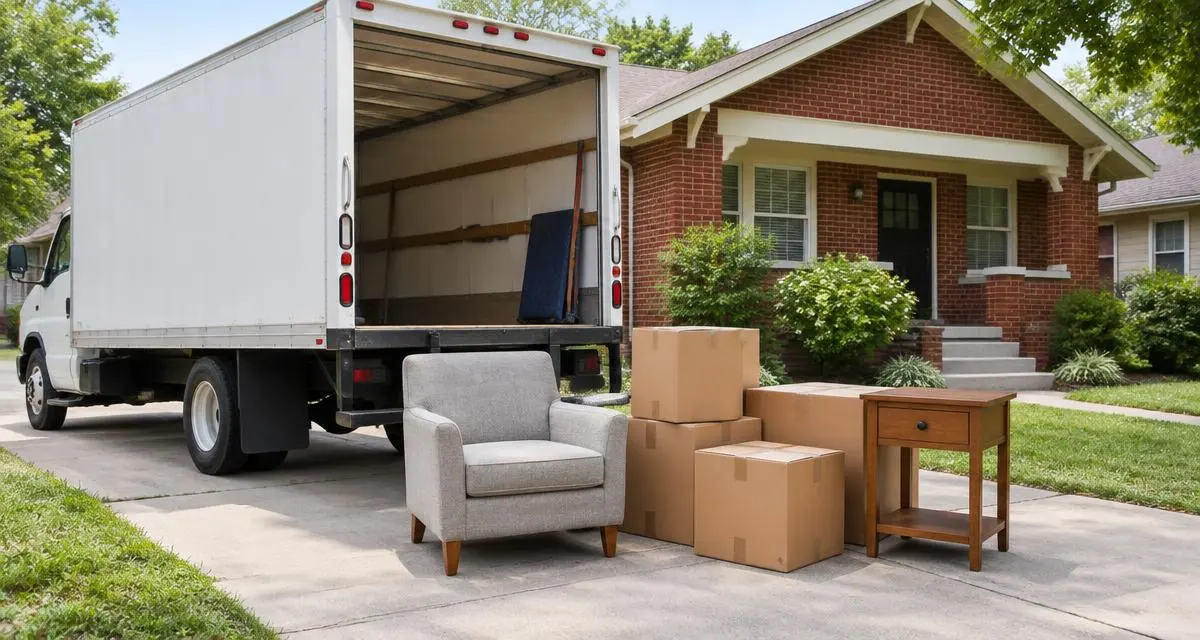
A useful junk removal quote tells you more than a dollar amount. It identifies what will leave the property, how the crew will reach it, and which materials need a separate decision. In Fort Worth, a sofa near a driveway, stored furniture above a garage, and an office suite with a reserved elevator are different jobs even when the visible pile looks similar. This guide helps you compare estimates for the same scope rather than choosing a price that leaves important work out. Start with our Fort Worth junk removal service, then use the questions below to prepare a request that fits your property and deadline.
Read the published starting prices correctly
Our pricing page lists the following starting points for qualifying residential pickups:
- Single item: from $99. One qualifying sofa, recliner, chair, mattress set or similar single item.
- Small / XS: from $149. A few pieces of furniture or a dozen boxes.
- Medium: from $275. One room, a partial garage or a small move-out.
- Large: from $475. A garage, attic plus bedroom, or renovation debris.
- XL / Full load: from $700+. Whole-room clearing, estate rooms, office suites.
These are starting prices, not an automatic price for every item or room. Heavy, specialty or regulated-disposal items may be priced separately. Commercial work, dense debris and dismantling need their own scope review. A refrigerator, piano or attached fixture should not be treated as a standard single-item pickup just because it is one object.
A Small, Medium or Large label describes the company's load ladder; it is not a promise that your job equals a particular fraction of a truck. Quarter-load, half-load and three-quarter-load terms used elsewhere may refer to a different vehicle or loading method. Ask what the estimate actually includes and how volume will be assessed before comparing numbers.
Standard pricing includes labor, loading, hauling and standard disposal for the agreed scope. Your final price is confirmed before work begins. Keep the original photos and the written scope together so both sides can refer to the same inventory.
Volume is only one part of the estimate
Volume-based pricing considers the space items take up in a load. A couch, several chairs and loose boxes can occupy a lot of room without having the same weight as tile or plaster. Weight limits and disposal requirements matter alongside the space available. A truck does not become suitable for a heavy material simply because it has room left.
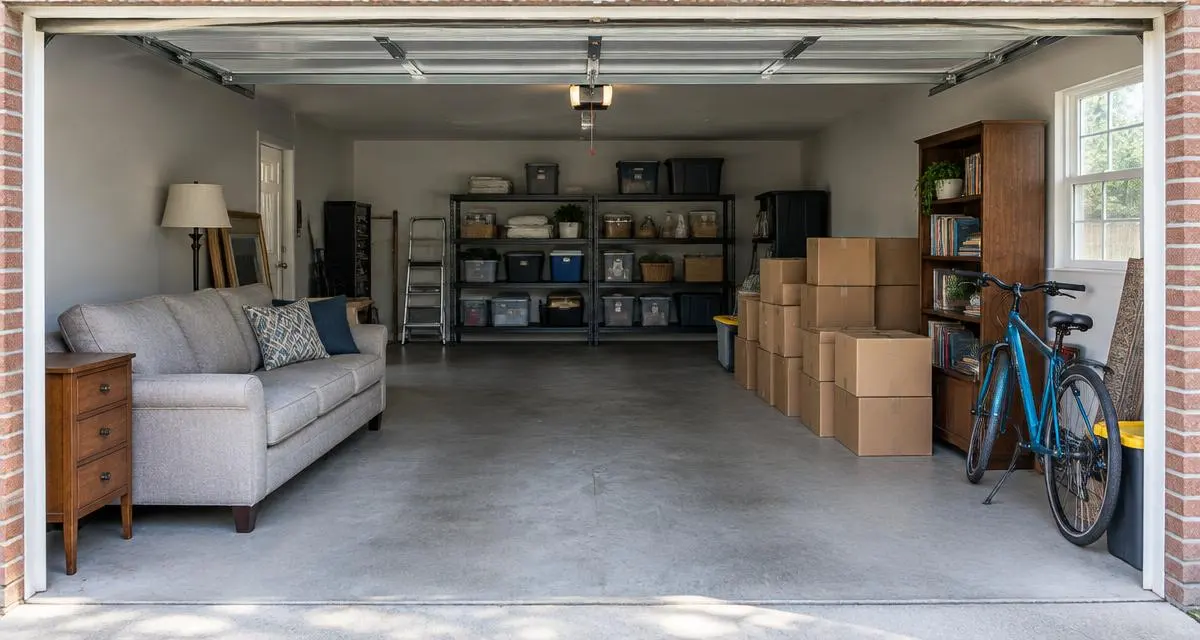
Give the estimator a view of the whole job, not only the largest piece. Open the garage door for a wide photo, then photograph the corners and shelving. For a room, include the furniture behind the sofa and the boxes inside the closet if they are also going. Mention items outside the frame rather than expecting the crew to discover them on arrival.
Do not compress the description into 'a little junk.' List the actual materials and approximate quantities: a sofa, two bookcases, several boxes and a separate pile of removed flooring. The team can then explain which part is ordinary household removal and which part needs a different price or acceptance decision. That distinction makes estimates more useful than an unsupported average cost for an entire city.
Access and labor can change otherwise similar jobs
Two identical dressers can take different amounts of work to remove. One may sit at ground level beside an open door; the other may be upstairs beyond a turning staircase. Tell us the floor, whether a working elevator is available, and any doorway or hallway that looks tight. If you know the dimensions of a bulky piece, include them without lifting it to measure an unsafe area.
For an older home in Fairmount or Arlington Heights, describe the actual route out of the building. Do not assume the age of a house determines its access: some have simple paths, while others have narrow turns, fragile finishes or a detached garage reached from the rear. These are details to inspect, not neighborhood-wide assumptions.
Long carries, disassembly, stairs and loading restrictions can affect labor. At a managed building, ask about elevator reservations and permitted loading locations. Confirm any building-specific documentation requirements before agreeing to an appointment. A low estimate based on curbside access is not directly comparable to a quote that includes removal from multiple rooms upstairs.
Furniture and appliances need an item-level description
For furniture removal, identify the piece and whether it comes apart. A sectional sofa, sleeper sofa, solid wood cabinet and lightweight side table involve different handling. Tell us if a bed frame is already disassembled and if all parts of a mattress set are included. Do not call several pieces a single item simply because they belong to one room.
For appliance removal, list the appliance type and condition. Explain whether it is safely disconnected and whether it contains water, food or other contents. Refrigerant-containing appliances and other regulated items can need separate review. Removal does not automatically include electrical, gas or plumbing work; arrange the appropriate disconnects unless a separately approved scope says otherwise.
The same caution applies to exercise equipment, unusually heavy furniture and specialty items. Photos should show labels or dimensions where helpful, but do not move an unstable item to obtain a better picture. Ask about handling requirements before booking. This keeps the quote anchored to what can actually be removed rather than to a generic household-item label.
Quote a garage, estate or house as a complete project
A garage cleanout can mean boxes along one wall or a garage filled with furniture, shelving, tools and items stored overhead. An estate can include several rooms, a full attic and outbuildings. Instead of assigning a price from the room name, prepare a room-by-room list using our cleanout scope and access checklist.
Identify what stays, what another person is collecting, and what is approved for removal. Photograph each area separately. A larger project may require multiple loads, and the estimate should explain how additional loads or scope changes will be handled. Do not assume a full-load starting price covers an entire house simply because it is one address.
If family members are taking items before the appointment, tell us when the inventory will be final. Less material can change an estimate, but do not assume an automatic reduction or a fixed discount formula. Ask for the revised scope and price before loading begins. Conversely, adding rooms or materials needs a new review rather than treating the original quote as unlimited.
For estate cleanouts, authorize a clear decision-maker. A family cleanout should not require the crew to decide who owns an item or whether a disputed belonging can be discarded.
Separate commercial materials and remodel debris
An office, storefront or warehouse should be priced around its inventory, access and operational requirements. For office decommissioning, note desks, chairs, freestanding shelving and any cubicle components. Identify attached fixtures, data-bearing electronics and items that belong to the landlord. Secure records before the crew arrives; ordinary hauling is not a promise of document destruction or certified data disposal.
For an Alliance-area facility, record dock availability, check-in procedures and which zones can be cleared without interfering with operations. A walkthrough may be more appropriate than a residential load estimate. Commercial billing arrangements are confirmed in the written proposal; credit terms are not automatic.
Construction and renovation debris needs a material list. Tile, masonry and other dense materials are different from loose cardboard or cushions. Explain whether cabinets and fixtures are already detached. Demolition and attached-item tear-out are separate services, not automatically included in ordinary junk-removal pricing. Approved non-structural scope, utilities, access and any required permits must be reviewed before work.
Hazardous chemicals, fuels, asbestos, medical waste, sharps and biohazard waste are not accepted as ordinary junk. Unknown or leaking containers must be disclosed and require an appropriate specialist. Paint and other liquids are not included in ordinary mixed-junk loads. Any paint pickup requires separate acceptance confirmation before scheduling. Never hide questionable materials inside bags or boxes to fit a standard-load description. A separate decision about acceptance is more useful than a price that cannot be honored for the actual contents.
Compare like-for-like offers and realistic timing
Use one inventory when requesting several estimates. Ask whether each price includes removal from the listed locations, loading, hauling and the agreed disposal. Clarify what is excluded, when the quote becomes final, and what happens if access or inventory changes. Keep photos available so a different crew member can understand the request without relying on a short phone summary.
A quote should also fit your deadline. If furniture must leave before a move or photography appointment, explain that date rather than assuming the lowest quote includes immediate service. Our fast-pickup planning article shows what information helps the team check near-term availability. Same-day and next-day service depend on crew schedule, job size and access. Availability is confirmed when you book.
For a pickup without an urgent deadline, you can compare private removal with the City's bulk-collection program. Check the current City of Fort Worth bulk collection information for address eligibility, schedule and material rules. City collection and private removal are separate services with different scope; do not assume the City's program includes an indoor carry or every material in your pile.
The goal is a clear decision: the right items, an approved carry path, acceptable materials and an agreed price. A quote that documents those points is easier to evaluate than a headline minimum that leaves the real work undefined.
Pricing & estimates questions
What is the starting price for one item in Fort Worth?+
One qualifying item starts from $99. Specialty or heavy items may be priced separately. Item type, labor, access and disposal requirements still need review.
Does a half-truck quote equal your Medium load?+
Not necessarily. Vehicle sizes and load definitions vary. Compare the actual inventory and included work rather than treating different companies' fractions or labels as identical.
Can photos replace every onsite estimate?+
Photos can support an initial estimate when they show the whole inventory and access. Complex, hidden, dense or multi-area loads may still need onsite confirmation or a walkthrough.
What if family removes some items before pickup?+
Send an updated inventory and ask for a revised scope and price before loading. Do not assume a particular reduction formula or that an old estimate remains accurate after changes.
Is garage cleanout pricing a fixed room rate?+
No. The contents, volume, weight, overhead storage, access and labor determine the scope. A nearly empty garage and a packed garage are not the same job.
Are commercial projects priced with the residential ladder?+
Commercial work is scoped around the inventory, materials, labor, disposal and building access. Detailed photos or a walkthrough may be needed instead of applying a residential starting price.
About the author
Xavier K — Owner
Xavier K is the owner of XB Junk Solutions LLC and works with Fort Worth customers on residential pickups, estate cleanouts and commercial removal requests. This guide focuses on defining the inventory, access and materials before comparing prices.
Services for this project
Fort Worth areas mentioned