Property cleanouts
Fort Worth Property Cleanouts: A Room-by-Room Scope & Access Checklist
Written by Xavier K, Owner ·
Updated · XB Junk Solutions LLC
The hardest part of a property cleanout is often defining what is included. 'Clear the house' can mean unwanted furniture only, every closet and drawer, or the home plus a packed garage, attic and outdoor storage. Before requesting a quote, give each area a clear removal decision and an access plan. Our Fort Worth junk removal team handles agreed residential and commercial removal scopes; the checklist below helps you prepare a garage, estate, rental or whole-property request without asking anyone to guess which belongings should go.
Start with a removal map, not a single pile
Walk the property with a notebook or a phone and list every area involved. Include bedrooms, living areas, closets, the garage, attic, patio and any separate storage. For each space, mark items as keep, remove, undecided or being collected by someone else. An undecided item is not approved for hauling just because it is in a room being cleared.
Separate documents, photographs, keys, jewelry and other sensitive belongings before the appointment. Label larger things that stay and keep them away from a staged removal pile where practical. If more than one person is making decisions, resolve the scope together and name one authorized contact for questions on pickup day. The crew should not decide family ownership, lease rights or estate disputes.
Take wide photos followed by close views of hidden corners and storage. Mention cabinets or boxes whose contents are not visible. Do not open unsafe containers or climb into unstable spaces for a photo. A complete removal map lets the estimator identify where extra access information is needed and where materials require a separate acceptance decision. It also gives you a checklist for the final walkthrough.
Garage contents and overhead storage
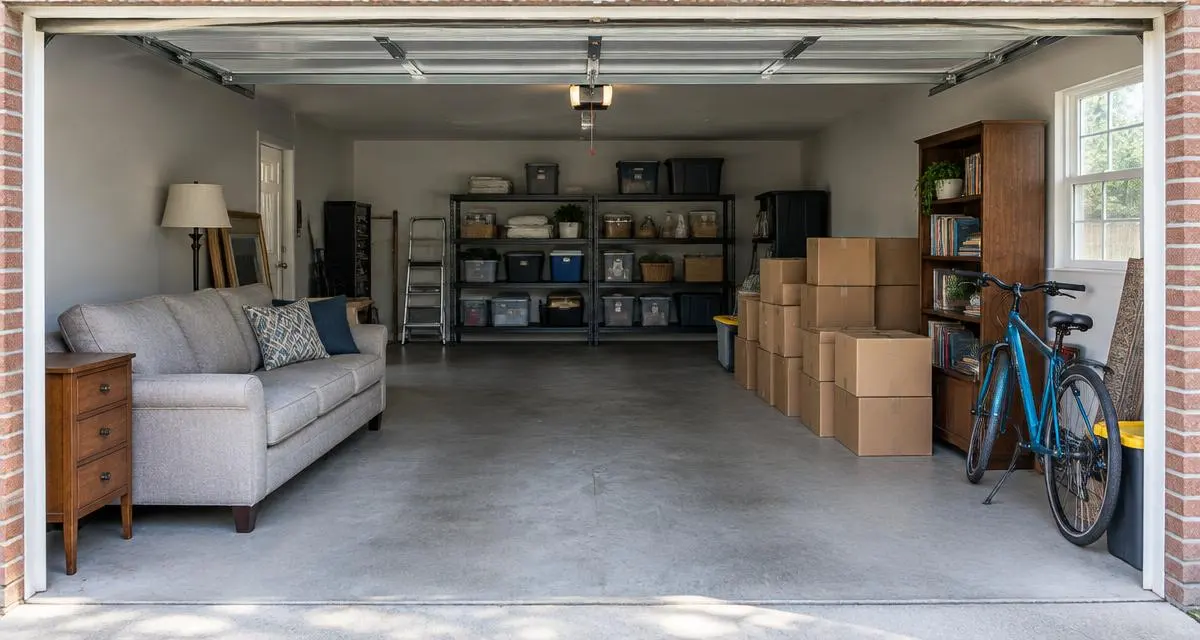
A garage and attic cleanout request should distinguish floor-level household junk from overhead storage, heavy tools and fixed shelving. List boxes, unused furniture, outdoor items and loose household goods. Explain whether the shelving itself goes and whether it is freestanding or attached. Tools and containers can look ordinary in a photo while hiding fuel, oils, batteries or other restricted contents.
Show the route from the garage to the loading area. A driveway with room for access is different from a rear garage reached through a gate or from an alley. Describe the actual layout rather than assuming every home in a Fort Worth neighborhood has the same parking or carry path. If vehicles must be moved to create access, coordinate that before the appointment.
Keep chemicals, paint and unknown containers out of mixed-junk bags. Ask about acceptance rather than treating an empty-looking container as safe. Do not disturb exposed wiring, unstable shelving or a pile that might fall. If the crew must retrieve items from elevated storage, disclose that before estimating. A floor-level pile and overhead retrieval are not interchangeable descriptions of the same job.
Attic access deserves its own discussion
Attics can contain decorations, boxes, old household goods and furniture that no longer fits easily through the opening. Tell us whether access is through a pull-down ladder, a fixed stair or another arrangement. Mention the opening size, low clearance, lighting and any area where safe footing is unclear. Describe what you know without entering an unsafe space to gather more details.
Access can affect labor and whether a particular removal plan is feasible. A bulky item may have been stored in pieces and may not fit through the opening assembled. Do not assume the crew can remove walls, enlarge an opening or carry heavy furniture down a ladder as part of a standard junk-removal visit. If dismantling is being considered, discuss the item and the property first.
For a home in Mistletoe Heights or Fairmount, protect items and building features you intend to keep. Original hardware, trim or stored fixtures should be clearly excluded from the haul. Historic status is not a reason to invent a removal restriction; actual alterations may have separate requirements. Ordinary contents removal should stay distinct from demolition or changes to the building.
Estate and downsizing decisions come before loading
An estate cleanout often involves several people, an inherited property and belongings with personal significance. Begin with what must be preserved: records, keepsakes, family photographs and items already promised to someone. Keep sale, donation and removal decisions separate so an item is not accidentally included simply because it has been moved out of a room.
If an estate sale or family collection is planned, explain the sequence and when the remaining inventory will be final. An estimate based on a full house may no longer describe the work after those items leave. Conversely, a newly discovered attic or outbuilding can add scope. Ask for an updated review before work begins rather than treating the original estimate as an unlimited property clearance.
Donation is conditional on the receiving organization's acceptance, item condition and other practical requirements. Do not assume everything usable will be donated or that hauling includes appraisals, estate-sale services or legal settlement work. For downsizing, clearly separate what is being moved to the next home from what is unwanted. A room-by-room approval list is more respectful and more useful than deciding in a hurry beside the truck.
Whole-house and outdoor scope: make the finish line explicit
For a whole-house cleanout, define the final condition you expect. Does the request include closets and loose household goods, or only listed furniture? Are the garage, patio and shed included? Does an appliance stay with the house? The phrase 'empty property' should not substitute for a written inventory and exclusions.
A larger job may need multiple loads or phases. Tell us if rooms must be cleared in a specific order, if other contractors are working, and who will unlock outbuildings. Reserve time for a walkthrough and any scope questions instead of placing every other appointment immediately after an assumed finish time. No number of loads or completion window is confirmed solely by the bedroom count.
Outdoor furniture and loose items are different from removing a structure or an attached fixture. A shed, deck, hot tub or playset needs a separate review of material, access, utility status and dismantling requirements. Demolition and attached-item tear-out are separate services, not automatically included in ordinary junk-removal pricing. Approved non-structural scope, utilities, access and any required permits must be reviewed before work.
Use our quote-comparison guide to understand why whole-property pricing depends on the actual inventory, weight and access. A full-load starting price does not mean a whole house is automatically one load.
Rental turnover and pre-listing deadlines
For rental-property cleanouts, confirm that you have the authority to remove the belongings before booking. Follow applicable law and lease requirements; the hauling team is not a substitute for legal advice about abandoned property. Identify the unit, approved inventory and contact who can grant access and answer questions.
A landlord or property manager should include gate details, parking rules and elevator arrangements. Provide access information privately in the request rather than publishing it in an open location description. If several units or a bulk area are involved, label the photos by unit or area so the scope and records do not get mixed together. Recurring work still needs agreement on acceptance, pricing and appointment availability.
For a realtor or pre-listing cleanout, explain the photography, staging or walkthrough deadline. Mark appliances, fixtures and anything conveying with the property as items to keep. Removal does not automatically include cleaning, repairs, staging or disposal of every material left by a previous occupant. Put the desired finish condition into the request and allow time for a final check before handing over access to the next person.
Office areas and warehouse spaces need an operating plan
Commercial cleanouts may involve desks, chairs, tables, shelving, cubicle components and storage-room contents. Explain which items are freestanding and which are attached or powered. Secure files and data-bearing devices first. Ordinary furniture hauling does not automatically include confidential-record destruction, equipment disconnects or removal of landlord-owned fixtures.
For office furniture and cubicles, show the workstations and the route to the elevator or loading area. Coordinate access with building management and confirm any required documentation before booking. Do not promise the crew a loading location that building staff have not approved. Restricted access can shape the timing and labor just as much as the inventory.
For a warehouse cleanout near Alliance, identify dock windows, active work zones, pallet quantities and check-in procedures. Machinery, anchored racking and unknown industrial materials need separate review. A walkthrough can help define a phased scope rather than applying a household pickup label to an entire facility. Billing arrangements and completion requirements should be part of the agreed proposal, not assumed from a previous job.
Turn the checklist into a pickup-day plan
First, send the inventory, full property location and access notes. Photos can support an initial estimate; complex jobs may still need a visit. Second, review the included items, exclusions and price before work starts. Third, make sure the authorized contact can provide access and approve any changes. If the pile has changed, raise that before loading rather than at the end.
Keep exits, doors and carry paths clear where you can do so safely. Do not move hazardous or unstable materials just to make the site look ready. Children and pets should be kept away from the working area. If there is another contractor onsite, explain where work is happening and avoid assigning competing access windows.
After agreed loading and hauling, walk each included area with your inventory. Confirm that marked keep items remain, excluded materials are understood, and the agreed scope has been completed. Any extra area is a new scope question rather than an automatic part of the original request.
Need service soon? See our near-term pickup preparation guide and check actual availability. Same-day and next-day service depend on crew schedule, job size and access. Availability is confirmed when you book. The best cleanout plan is not the most complicated one; it is the one that makes the contents, permission, access and finish line clear to everyone involved.
Property cleanouts questions
Can one request cover a garage, attic and several rooms?+
Yes, those areas can be described as one proposed project. Each needs its own inventory and access details, and the agreed quote must identify the included work and any separate scope.
Should I empty every box before an estimate?+
Describe contents you know and show safe, accessible areas. Do not open unknown containers or disturb unsafe piles. Hidden or questionable materials may require further review.
Who decides what can leave an estate property?+
An authorized decision-maker must approve the inventory. The crew should not resolve ownership disputes, select keepsakes or provide estate-settlement advice.
Will a whole-house cleanout always fit in one load?+
No. Contents, volume, material weight and outbuildings determine the job. Larger projects may require multiple loads or phases, which need to be agreed in the scope.
Does attic removal include changing the opening?+
No building alteration is automatically included. Explain the access and item dimensions first; safe retrieval and any separate dismantling scope must be reviewed.
Can a landlord book removal of abandoned belongings immediately?+
Only after confirming the authority and applicable legal requirements for removal. The property contact must approve the inventory; hauling is not legal advice.
About the author
Xavier K — Owner
Xavier K is the owner of XB Junk Solutions LLC and works with Fort Worth families, landlords and commercial contacts on property-removal requests. This checklist emphasizes clear approval, room-by-room scope and practical access planning.
Services for this project
Fort Worth areas mentioned